

How to Apply for Change of User in Kenya: A Complete 2026 Guide
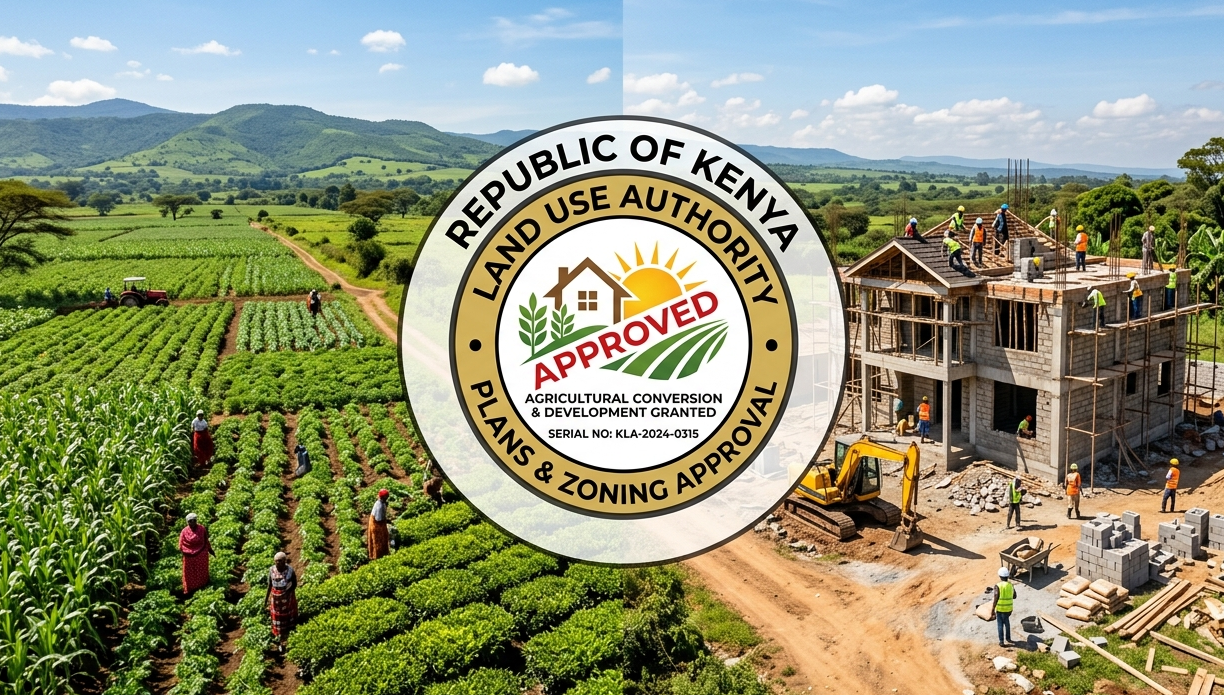
You have found the perfect piece of land. The title deed is clean, the seller is genuine, and the price is right. But there is one problem — the land is classified as agricultural, and you want to build a residential home or a commercial property on it. Before you lay a single foundation stone, you need something critical from the county government: a Change of User approval.
Skipping this step is not just a bureaucratic risk — structures built on wrongly zoned land can be legally demolished by county authorities, with zero compensation. This guide walks you through everything you need to know about Change of User in Kenya in 2026 — what it is, when you need it, how to apply, how much it costs, and how long it takes.
🌠What Is a Change of User?
A Change of User (also called Change of Use) is an official planning permission granted by the County Government that allows a landowner to change the designated use of their land from one category to another.
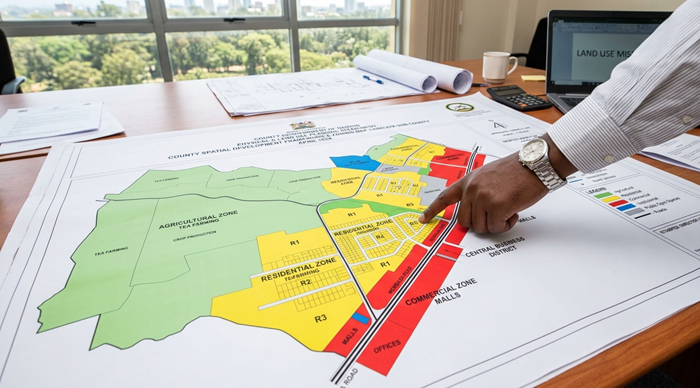
Every piece of land in Kenya is classified under a specific land use zone as defined in the county's Physical Planning Act and local zoning maps. These classifications determine what activities are legally permitted on that land.
Common land use categories in Kenya:
| Category | What It Means |
|---|---|
| Agricultural | Farming, grazing, horticulture |
| Residential | Housing — low, medium, or high density |
| Commercial | Shops, offices, hospitality |
| Industrial | Factories, warehouses, manufacturing |
| Institutional | Schools, hospitals, churches |
| Conservation/Green Zone | No development permitted |
âš ï¸ NB: A Change of User is NOT a guaranteed approval. The county government can reject your application if your intended use conflicts with the area's master plan or poses environmental, social, or infrastructure concerns.
📌 When Do You Need a Change of User?
You need a Change of User approval any time you intend to use land differently from its current registered classification. Here are the most common scenarios:
- 🡠Building a residential house on land classified as agricultural
- 🢠Developing a commercial building on land zoned residential
- ðŸ Setting up a factory or warehouse on agricultural or residential land
- 🫠Building a school or church on land not zoned institutional
- 🨠Operating a guesthouse or hotel on residentially zoned land
💡 Tip: Before buying land with the intention to develop, always confirm its current zoning at the county physical planning office — or hire a physical planner to check. This will save you the cost and time of a Change of User, or help you factor it into your budget before purchase.

✅ Who Handles Change of User Applications in Kenya?
Change of User applications are processed by the Physical Planning Department of the relevant County Government. Each county has its own planning department and its own processing timelines.
For land in Nairobi, this is handled by the Nairobi City County Physical Planning Department.
For other counties — Kiambu, Nakuru, Mombasa, Kisumu, Machakos, etc. — applications go to the respective county's physical planning or lands department.
âš ï¸ NB: Kenya has 47 counties, and while the process is broadly similar across all of them, specific requirements, fees, and timelines vary by county. Always confirm the exact requirements with your specific county office before beginning your application.
📋 Documents Required for a Change of User Application
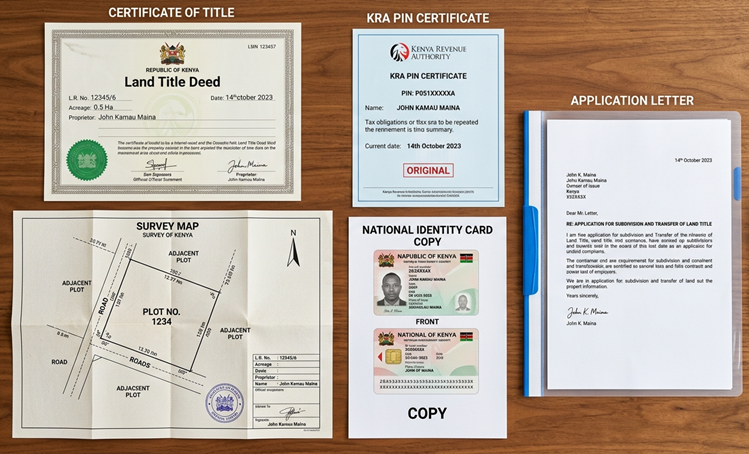
Gather all of the following before visiting the county planning office:
Mandatory Documents:
- ✅ Copy of the Title Deed — certified copy of the land's title deed
- ✅ Official Land Search Results — from Ardhisasa (not older than 3 months)
- ✅ Survey Map / Registry Index Map (RIM) — obtained from the Survey of Kenya
- ✅ Site Development Plan — a sketch or plan showing what you intend to develop
- ✅ Written Application Letter — addressed to the County Director of Physical Planning
- ✅ Copy of National ID — of the registered landowner
- ✅ Land Rates Clearance Certificate — confirming no outstanding rates to the county
- ✅ KRA PIN Certificate — of the landowner
Additional Documents (may be required by some counties):
- Environmental Impact Assessment (EIA) report — for large or commercial developments
- Structural or architectural concept drawings
- Neighbours' consent letters (in some densely populated areas)
💡 Tip: Call or visit your county's physical planning office first to get their specific, up-to-date checklist. Requirements are occasionally updated, and arriving with an incomplete file wastes time and money.
ðŸ-¥ï¸ Step-by-Step: How to Apply for Change of User in Kenya
Step 1 — Confirm the Current Zoning of Your Land
Before applying, confirm exactly what your land is currently zoned as. You can do this by:
- Visiting the County Physical Planning Department with your title deed and survey map
- Requesting a copy of the Local Physical Development Plan (LPDP) that covers your area
- Hiring a registered Physical Planner to check on your behalf
This step tells you whether a Change of User is required at all — and whether your intended use is even possible in that area.
âš ï¸ NB: Some areas in Kenya have a zoning freeze or are under a pending master plan revision, meaning no Change of User applications are being accepted. Confirm this before investing time and money in the process.
Step 2 — Prepare and Assemble All Required Documents
Using the checklist above, gather all required documents. Ensure:
- The land search is recent — done within the last 3 months
- The title deed copy is certified (signed and stamped by the Registrar of Lands or a Commissioner for Oaths)
- Your site development plan clearly shows the intended use, access roads, and setbacks
💡 Tip: Hire a registered Physical Planner or Architect to help prepare your site development plan. A professionally drawn plan significantly increases your chances of approval and speeds up the review process. Find one on The Homes Lab Professionals.
Step 3 — Submit Your Application to the County Physical Planning Office
Visit the County Physical Planning Department offices and submit your complete application file. You will:
- Submit all documents at the reception or applications desk
- Pay the application fee (varies by county and land size — see costs section below)
- Receive an official acknowledgement receipt — keep this safe
âš ï¸ NB: Always get a stamped acknowledgement receipt when submitting any government application in Kenya. Without it, you have no proof of submission if your file is misplaced.
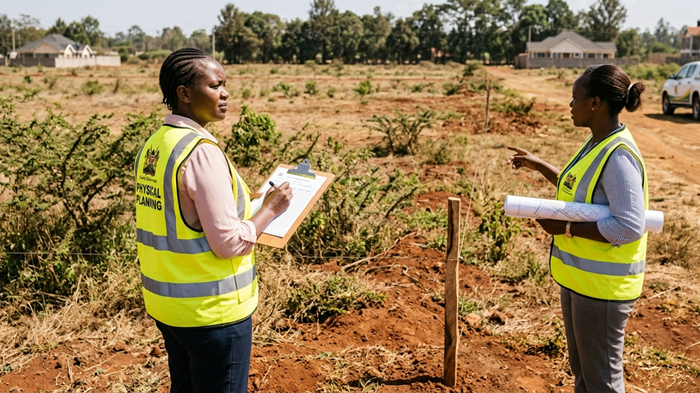
Step 4 — Site Inspection by County Planning Officers
After submission, the county will typically send physical planning officers to inspect your land. They assess:
- Whether the intended use is compatible with the surrounding area
- Infrastructure availability — roads, water, sewerage
- Environmental considerations
- Compliance with the county's development plan
Be available or have a representative at the site during the inspection. Make sure the land is accessible and beacons are visible.
💡 Tip: Ensure your land is clean and accessible before the inspection visit. A well-maintained site with clearly visible survey beacons makes a positive impression on inspectors.
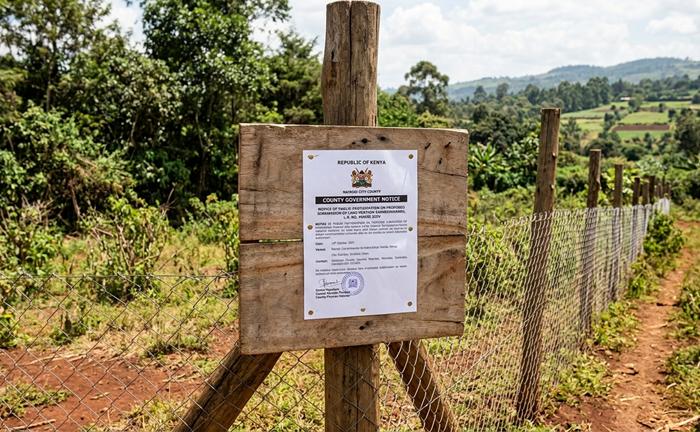
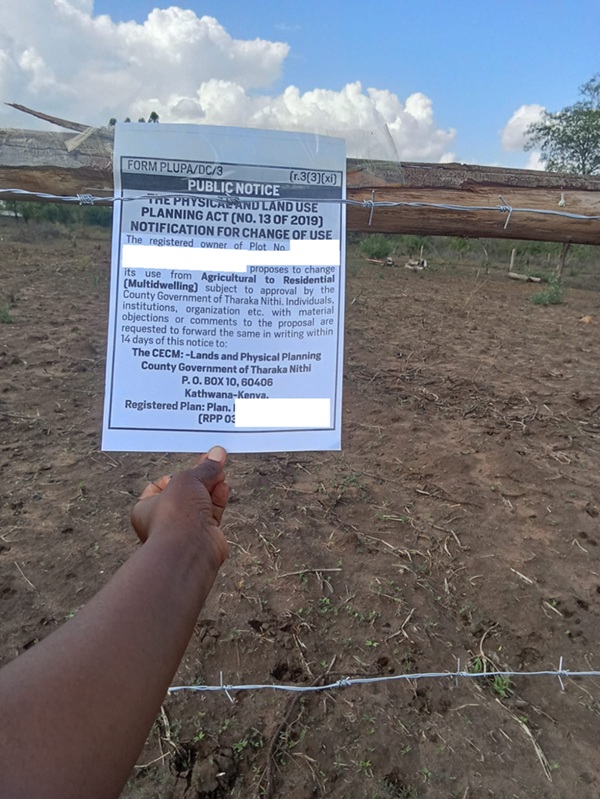
Step 5 — Public Participation and Neighbour Notification
In many counties, a Change of User application triggers a public participation process. This involves:
- A public notice being posted at the site and/or in a local newspaper
- Neighbouring landowners being formally notified
- A period (usually 30 days) during which objections can be lodged
If objections are received, the county may hold a hearing before making a decision.
âš ï¸ NB: Objections from neighbours or the public can delay or block your Change of User. Maintaining good relations with neighbouring landowners and being transparent about your intended development goes a long way.

Step 6 — Approval, Conditions, or Rejection
After the inspection and public participation period, the county will issue one of three outcomes:
✅ Approval — You receive an official Change of User Certificate or letter granting the change. This is your green light to proceed with development plans and building approvals.
âš ï¸ Conditional Approval — Approval is granted subject to conditions — such as providing a road, planting buffer trees, limiting building height, or contributing to infrastructure. You must comply with all conditions before or during development.
⌠Rejection — Your application is declined. The county must give written reasons. You have the right to appeal the decision to the Physical Planners Liaison Committee or through the courts.
💡 Tip: If your application is rejected, do not give up immediately. Review the reasons carefully with a qualified physical planner — sometimes a revised site plan or additional information is all that is needed for a successful re-submission.
💰 How Much Does a Change of User Cost in Kenya?
Costs vary by county, land size, and intended use. Here is a general guide:
| Cost Item | Approximate Amount |
|---|---|
| County Application Fee | Ksh 5,000 – 50,000+ (varies by county & land size) |
| Land Search (Ardhisasa) | Ksh 500 |
| Survey / RIM Map | Ksh 3,000 – 15,000 |
| Physical Planner / Consultant Fee | Ksh 20,000 – 100,000+ |
| Architect's Site Plan | Ksh 15,000 – 50,000 |
| Newspaper Public Notice (if required) | Ksh 5,000 – 20,000 |
| Legal / Conveyancing (if title update needed) | Varies |
💡 Tip: Budget a minimum of Ksh 50,000 – 150,000 for a standard residential Change of User application, depending on your county and land size. Larger or commercial applications cost significantly more.
â±ï¸ How Long Does a Change of User Take in Kenya?
| Stage | Typical Timeline |
|---|---|
| Document preparation | 1 – 2 weeks |
| Submission to county | 1 day |
| Site inspection | 2 – 4 weeks after submission |
| Public participation period | 30 days |
| County decision | 2 – 8 weeks after public participation |
| Total estimated timeline | 2 – 6 months |
âš ï¸ NB: Government processing timelines in Kenya can extend significantly due to backlogs, staffing, or political factors. Budget at least 3–6 months and do not begin construction until you have the written approval in hand.
â“ Frequently Asked Questions
Can I build before the Change of User is approved? No. Constructing before receiving written approval is illegal and puts your entire development at risk of demolition. Always wait for the official approval document.
Does a Change of User affect my title deed? Yes. Once approved, the change of use should be annotated on the land records. In some cases, a new title deed reflecting the new classification is issued. Your conveyancer will guide you on this.
What if I bought land that already has unapproved developments? This is your risk as the new owner. Always confirm the approved use before purchasing developed land. Existing illegal structures transfer with the land — and their legal problems transfer to you.
Can I do a Change of User myself without a consultant? Technically yes, but it is not recommended. A registered physical planner understands the county's master plan, knows what approvals are likely, and can prepare documentation that meets the required standards — significantly improving your chances of success.
Is a Change of User the same as subdivision approval? No. Subdivision is a separate process that divides one parcel into multiple smaller parcels. You may need both a Change of User and subdivision approval if you are developing multiple units on agricultural land.

🚀 Final Thoughts
A Change of User is not a stumbling block — it is a foundation for safe, legal development. Getting it right protects your investment, ensures your structures are legally recognized, and gives you full freedom to develop, sell, or mortgage your land in the future.
Quick Recap:
- ✅ Confirm current zoning before buying or developing
- ✅ Gather all documents before submission
- ✅ Hire a registered physical planner to guide you
- ✅ Allow 3–6 months for the process
- ✅ Never build before written approval is in hand
- ✅ Budget Ksh 50,000 – 150,000+ for the full process
💡 Tip: Once your Change of User is approved and you are ready to develop, browse professionally designed residential and commercial house plans on The Homes Lab Designs — or find a verified architect to create a custom plan for your plot.
Need a physical planner, architect, or construction professional to guide your project? 👉 The Homes Lab Professionals
Found this guide useful? Share it with a landowner in Kenya — the right information at the right time can save months of delays and hundreds of thousands of shillings.