


Off-plan property, buying a unit before the building even exists, has become one of the most popular ways to invest in real estate in Nairobi, Mombasa, Kisumu, and other growing towns. The pitch is genuinely attractive: lower entry prices, flexible payment plans, and the chance to walk into instant equity once construction finishes and the market catches up. It is also, without question, the riskiest way to buy property in Kenya right now, and a wave of stalled and abandoned projects in recent years has made that risk very real for a lot of buyers.
Is buying off-plan even legal in Kenya?
Yes. Off-plan sales are governed by a mix of existing law rather than one dedicated statute: the Land Registration Act, 2012, general contract law under the Law of Contract Act, and, for apartments and townhouses specifically, the Sectional Properties Act, 2020, which governs how individual units eventually get titled once the development is complete. Because there is no single law written specifically for off-plan transactions, the sale agreement you sign becomes your single most important source of protection, not a general assumption that "the law covers this."
The real risks, honestly stated
Developer insolvency or fund mismanagement. This is the single biggest risk. Developers have collapsed mid-construction, diverted buyer deposits into other projects, or simply run out of money before completion, leaving buyers with a stalled shell and years of legal wrangling ahead.
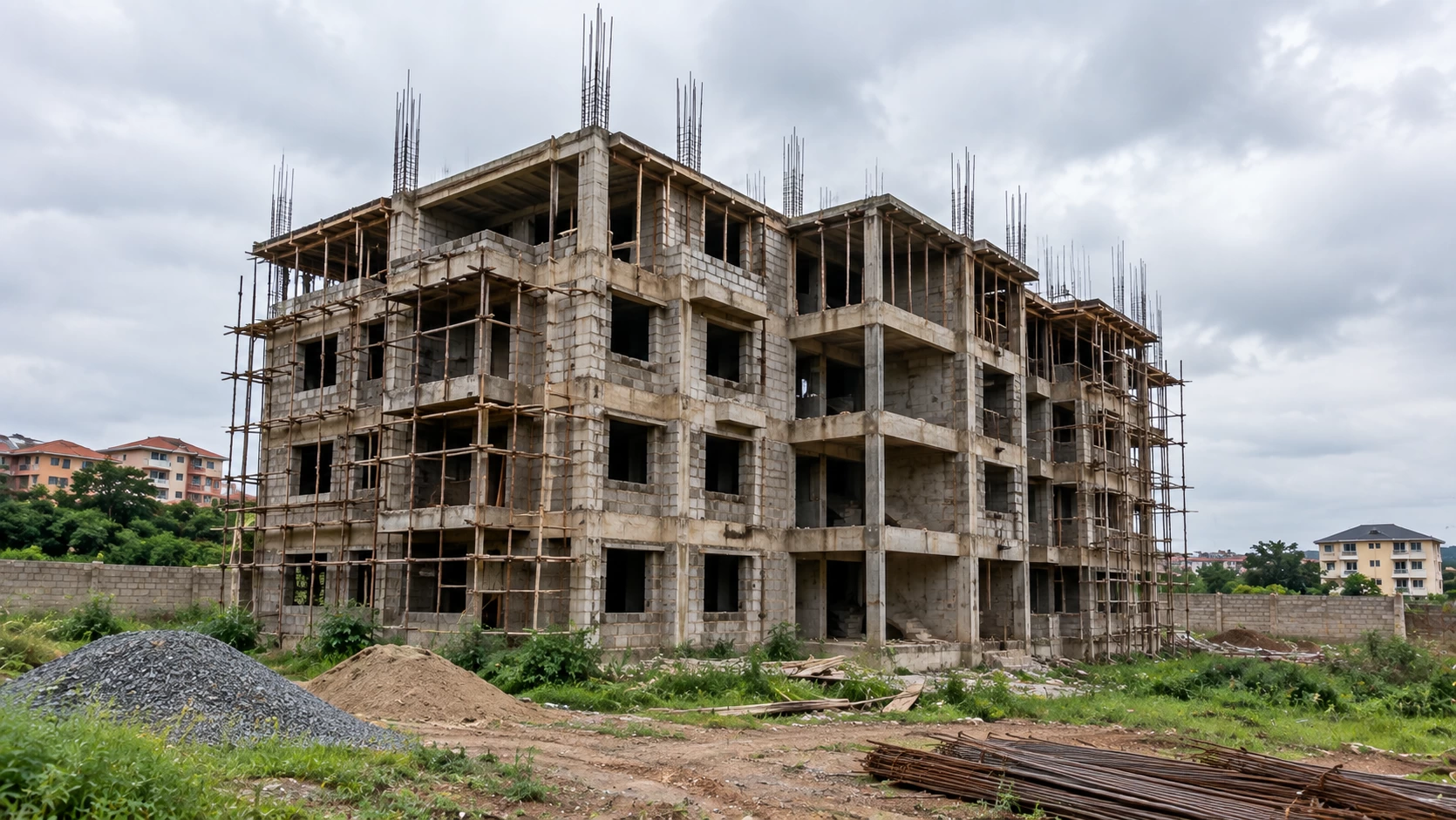
Stalled or abandoned projects. Kenya has seen a genuine rise in cases where construction simply stops, sometimes for years, with buyers left paying installments on a home that never materializes on schedule, or at all.
No escrow law currently in place. Industry advocates and legal commentators have been calling for mandatory escrow legislation for off-plan purchases, since right now there is no binding requirement forcing developers to hold buyer funds in independently controlled accounts. Some developers voluntarily use escrow, and increasingly buyers expect it, but it is not yet a legal obligation across the board. Reform proposals currently under discussion include mandatory escrow arrangements and milestone-based payments tied to independently verified construction progress, but these are not law yet.
Specification and design changes. The show unit or brochure render is not a legal guarantee. Finishes, layouts, and even unit sizes can shift between marketing and handover if the sale agreement does not lock these details down explicitly.
Market value risk. Property values can move in either direction between the day you sign and the day you get keys. A unit priced attractively today could be worth less at completion if the surrounding market softens, or significantly more if it appreciates, so the same off-plan discount that looks appealing also carries real uncertainty.
Title and land ownership issues. If the underlying land carries a bank charge, a disputed title, or incomplete county approvals, buyers can end up with a completed unit and an incomplete or contested title, sometimes years after handover.
How to protect yourself before you sign anything
- Verify the developer's track record. Look for completed projects, ask past buyers how handover actually went, and treat a developer with no verifiable completed project as a meaningfully higher risk regardless of how polished their marketing looks.
- Confirm NCA registration. Any legitimate contractor working on the development should be registered with the National Construction Authority. Ask for the registration details and verify them independently rather than taking a sales agent's word for it.
- Check the underlying land and title. Confirm the developer actually owns or has a proper legal interest in the land, that the title is clean, and that county planning and building approvals are in place before you commit significant money.
- Push for an escrow arrangement. Even though it is not currently a legal requirement, insist that your payments go into a regulated escrow account rather than the developer's general operating account, with funds released only against verified construction milestones. A developer who resists this is, in effect, asking you to trust them with money that has no independent safeguard behind it.
- Get your own independent lawyer, not the developer's legal team, to review the sale agreement before you sign. Pay particular attention to what happens if the developer fails to perform, not just what happens if you, the buyer, default.
- Lock down specifications in writing. Finishes, sizes, and layout details shown in marketing materials should be explicitly written into the contract, not left as an assumption based on a show unit.
- Negotiate real remedies for delay. The contract should specify what compensation or exit rights you have if construction runs significantly behind schedule, not just a vague best-efforts clause.
- Visit the site regularly once construction starts. Do not go silent after signing. Track actual progress against the payment schedule and milestones you agreed to.
A word for diaspora buyers specifically
The bottom line
Off-plan property in Kenya can genuinely deliver lower entry prices and strong long-term returns, but the legal protections that actually matter, a clean title, verified approvals, an escrow-based payment structure, and a sale agreement that protects you as much as the developer, do not happen automatically. They have to be deliberately put in place before you transfer a single shilling. With no dedicated escrow law yet in force, the burden currently sits on the buyer to demand these protections rather than assume they exist. Do the due diligence, get independent legal review, and treat any resistance to escrow or transparency as a serious warning sign rather than a minor inconvenience.