
Owning a home in Kenya has long felt out of reach for a huge share of the population, priced out by high land costs, steep deposits, and mortgage rates most salaried workers simply cannot meet. The government's Affordable Housing Programme, run through the Boma Yangu portal, was built to close that gap. It has grown into one of the largest public housing efforts on the continent, but the eligibility rules, income brackets, and application steps trip up a lot of people who apply. Here is exactly how it works.
What Boma Yangu actually is
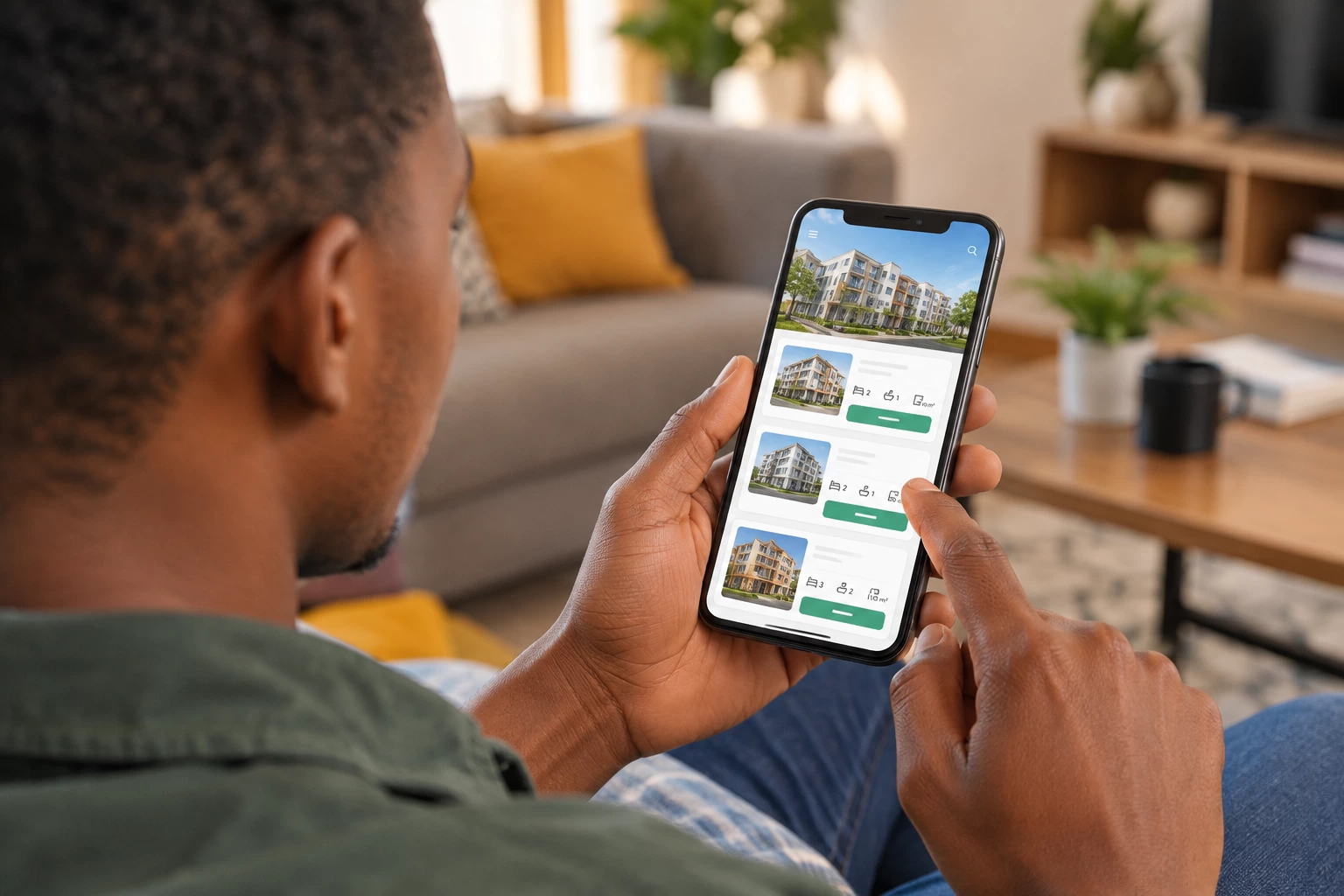
Boma Yangu, meaning "my home," is the government's digital platform for Kenya's Affordable Housing Programme. It lets citizens register, save toward a deposit, browse available housing projects, select a unit, and apply for allocation, all from a phone or computer. The program is funded partly through the mandatory Affordable Housing Levy deducted from payslips, combined with government and private sector investment, and is aimed squarely at first time homeowners across different income levels.
The scale is significant. As of early this year, the program had surpassed 1.1 million registered users, with well over 260,000 units under development across more than 100 constituencies in all 47 counties.
The housing categories and what they cost
Boma Yangu splits units into two broad tiers, and pricing depends heavily on unit size, location, and category:
- Social housing: aimed at lower income earners, typically those earning under KSh 50,000 a month. Units in this tier can start as low as roughly KSh 600,000 to 640,000 for the smallest options in county towns.
- Affordable housing: aimed at middle income earners, with one, two, and three bedroom units generally ranging from around KSh 1 million up to KSh 3 million, depending on location and size.
Prices vary meaningfully by project and county, so always confirm the exact figure for your selected unit directly on the portal rather than relying on a general estimate.
Who actually qualifies
Not everyone who applies gets through, and eligibility is stricter than many people expect. To qualify, you generally need to:
- Be a Kenyan citizen aged 18 or above, with a valid National ID
- Hold a valid KRA PIN certificate
- Not already own residential property in the county where you are applying, since the program specifically targets first time homeowners
- Fall within the income threshold for your chosen unit category, with higher priced units capping household monthly income at roughly KSh 150,000, and lower priced units carrying lower thresholds
- Be able to demonstrate consistent ability to pay, usually through payslips, bank statements, or audited accounts
- Have a clean credit record, since a negative CRB listing typically leads to automatic disqualification
Kenyans living abroad can also apply through the Diaspora applicant category, though additional documentation is usually required.
Documents you will be asked for
Before you can move from registration to a firm offer, expect to provide:
- National ID and KRA PIN
- Three months of certified payslips, six months of certified bank statements, or audited accounts if self employed
- Proof of your current residential status, confirming you do not already own a home in the county you are applying in
- Passport and proof of residency abroad, if applying as a diaspora applicant
How to apply, step by step
- Register on the portal. Go to bomayangu.go.ke or dial *832# on your phone, and log in using your eCitizen account. Choose whether you are a Home Applicant or a Diaspora applicant.
- Complete your profile. Fill in your ID details, KRA PIN, employment status, monthly income, household size, and preferred county.
- Activate your account. A minimum of KSh 200 activates your profile and starts your savings record on the platform.
- Browse available projects and choose a unit. Each listed unit shows its price and the exact deposit required, generally 10 percent of the unit value.
- Save toward your deposit. Contribute steadily through the portal or USSD code until you reach the required deposit for your chosen unit.
- Submit your supporting documents. Upload your payslips, bank statements, or audited accounts as required for income verification.
- Wait for allocation. Units are allocated based on a combination of savings consistency, documentation completeness, and availability in your chosen project.
- Receive and respond to your offer. Once allocated, you typically have a set window to confirm and choose your payment route.
Paying for your unit once allocated
When you receive an allocation offer, you generally have three main ways to pay:
- Cash purchase. Pay the full balance within a set window, often around 90 days from your offer date.
- Mortgage financing. Access a loan through a KMRC-participating bank, typically at a significantly lower interest rate than a standard commercial mortgage.
- Housing Levy contributions. Use your accumulated Affordable Housing Levy deductions toward your deposit or ongoing payments, depending on the scheme rules at the time.
Where applicants commonly get tripped up
- Assuming registration alone guarantees a house. Registration only creates a savings profile. Allocation depends on consistent contributions, complete documentation, and unit availability.
- Underestimating the deposit. The 10 percent figure sounds small until you see it against the actual unit price, so check the real shilling amount before committing to a project.
- Owning property elsewhere. Even a small existing residential property in the same county can disqualify an otherwise strong applicant.
- Incomplete or uncertified documents. Payslips and bank statements that are not properly certified are a common cause of delay or rejection.
- Ignoring the credit check. A poor CRB listing can quietly disqualify an applicant who meets every other requirement, so it is worth checking your own credit status before applying.
The bottom line
Boma Yangu genuinely opens a path to homeownership that did not exist for many Kenyans before, with unit prices well below open market rates and a savings structure built around what ordinary income earners can manage. But it is not automatic, and the eligibility rules are stricter than the marketing suggests. Register early, save consistently, keep your documents in order, and check your own eligibility honestly before you count on a unit. If you do not qualify or the timelines do not work for you, it is one route to homeownership among several, alongside building your own home or going the SACCO or mortgage route.